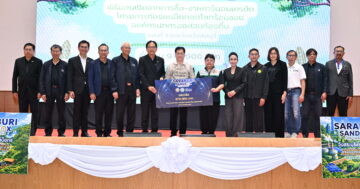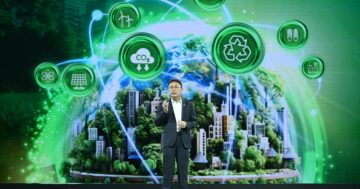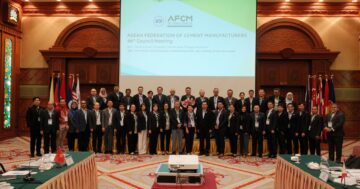

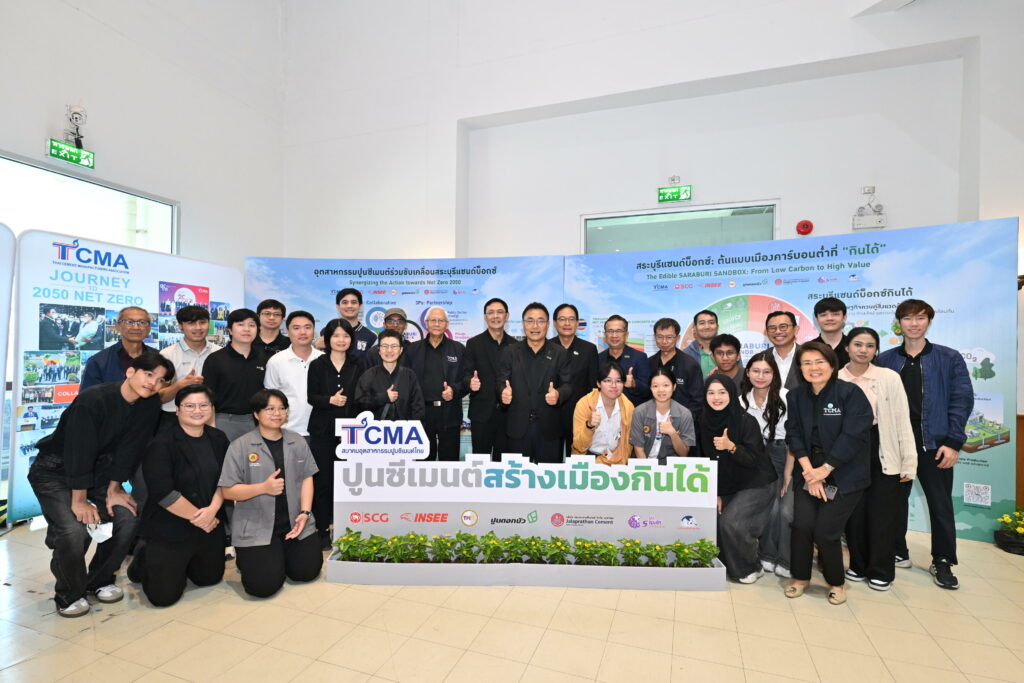
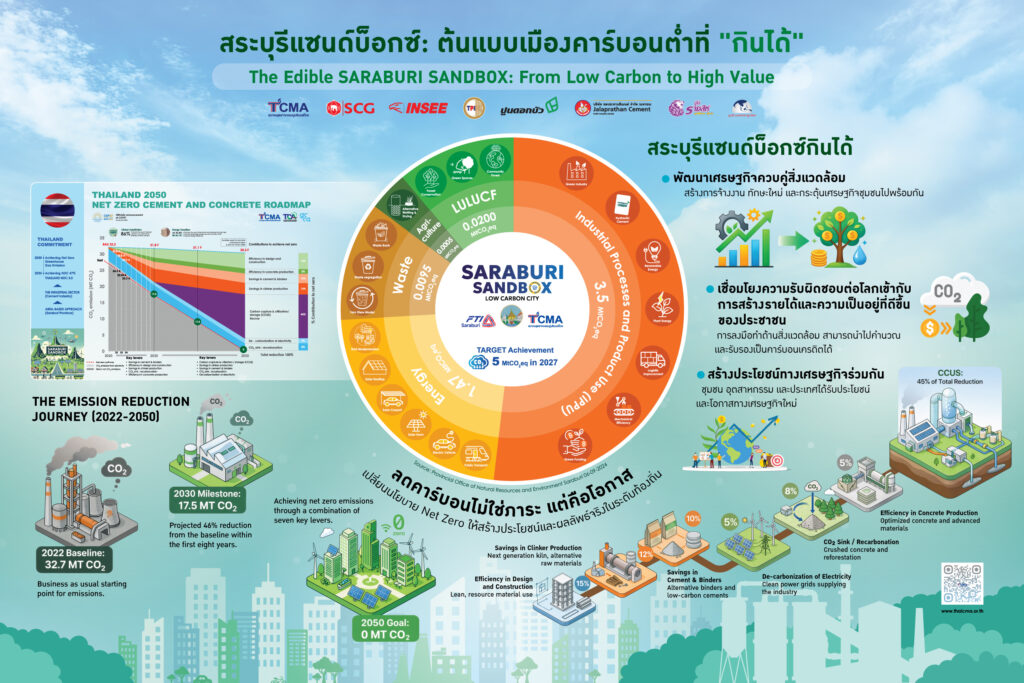
Thai Cement Manufacturers Association (TCMA), in collaboration with Saraburi Province, government agencies, the private sector, and civil society, are accelerating the development of Thailand’s first low-carbon city under the concept of “SARABURI SANDBOX: Edible”. The initiative opens pathways toward a provincial level carbon market and reinforces a new perspective that ‘carbon reduction is not a burden, but an economic opportunity’, supporting Thailand’s goal of achieving Net Zero emissions by 2050.
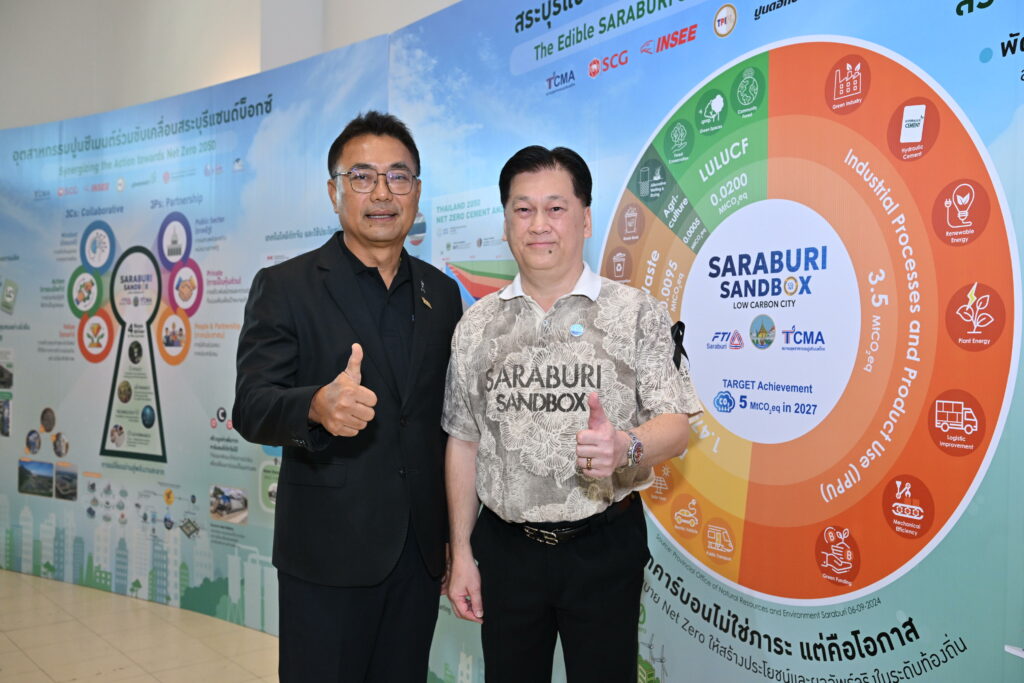
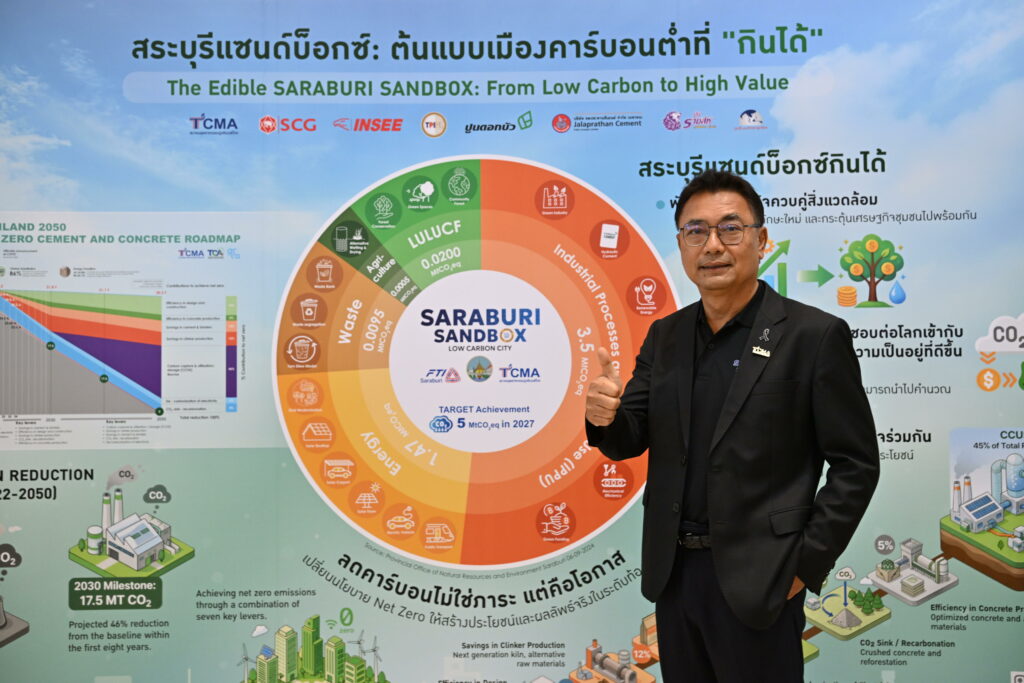
Dr. Chana Poomee, Chairman of Thai Cement Manufacturers Association (TCMA) stated that SARABURI SANDBOX is Thailand’s first low carbon city pilot, launched in 2023 through a Public–Private–People Partnership (PPP). Since its inception, the project has delivered tangible outcomes across multiple dimensions, including the transition to clean and sustainable energy, the advancement of green industries and environmentally friendly products, value-added waste management, promotion of low-carbon agriculture, and expansion of green spaces throughout Saraburi Province.
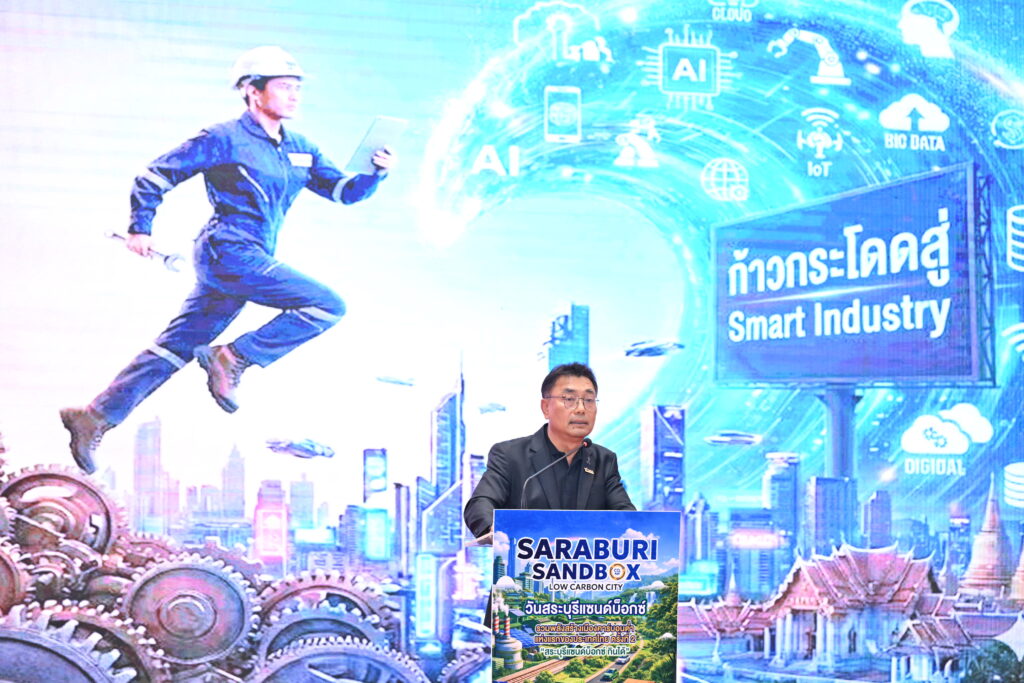
Through continuous and concrete implementation, SARABURI SANDBOX has gained recognition both domestically and internationally. This year marks a significant milestone as the initiative evolves from a low carbon city prototype into a new role as an ‘edible carbon market’
-an economic mechanism that enables greenhouse gas reduction efforts to be converted into carbon credits, generating real income for local communities, industries, and the national economy.
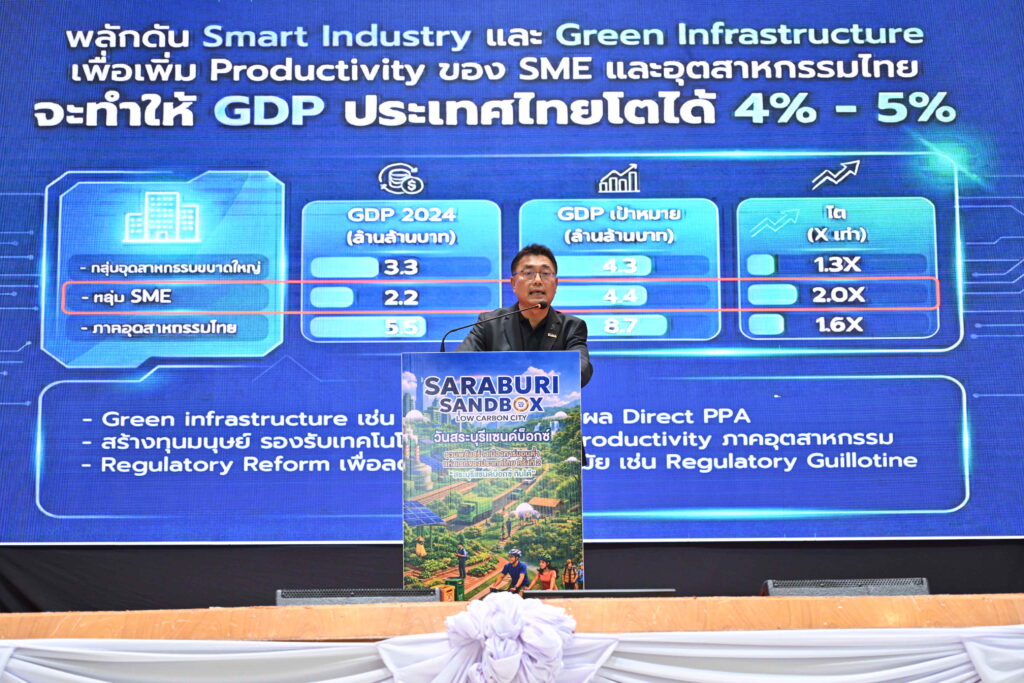
Net Zero That Is “Edible”: Piloted in Saraburi
Dr. Chana, TCMA Chairman explained that SARABURI SANDBOX represents the translation of Thailand’s Net Zero policy from the national level into practical, area-based implementation, positioning carbon reduction as a driver of economic and social development rather than a constraint on growth.
The concept of Net Zero “Edible” focuses on making carbon reduction economically viable-creating tangible value in the form of income generation, job creation, and local economic upgrading through carbon market mechanisms. This approach delivers comprehensive benefits across economic, social, and environmental dimensions, while serving as a scalable model for nationwide expansion and strengthening Thailand’s competitiveness in the global economy.
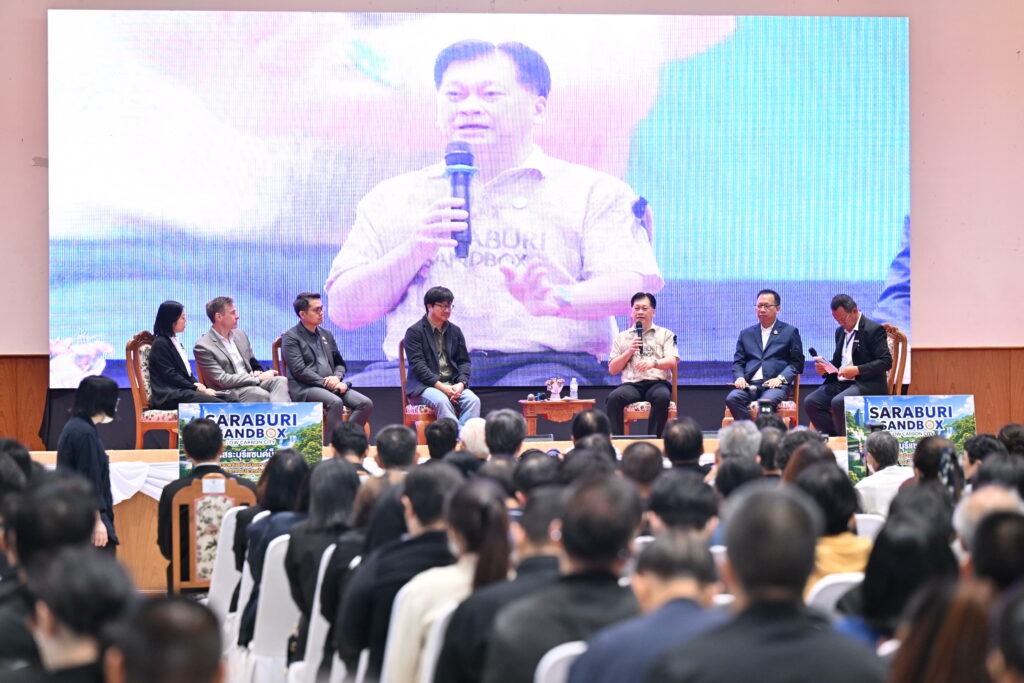
Under this framework, SARABURI SANDBOX projects span multiple areas, including clean energy transition, green industrial development, waste-to-value initiatives, low carbon agriculture, and green space expansion. These efforts have produced clear local benefits: carbon reduction alongside community economic development, new employment opportunities, improved environmental quality, and industrial development that coexists harmoniously with agriculture, communities, and natural resources.
Dr. Chana added that developing carbon markets at the local level helps integrate greenhouse gas reduction into real economic value chains, enabling communities and businesses to participate directly and benefit tangibly.
“When carbon reduction becomes an economic opportunity, all stakeholders gain strong incentives to drive Net Zero continuously and sustainably.” Dr. Chana said.
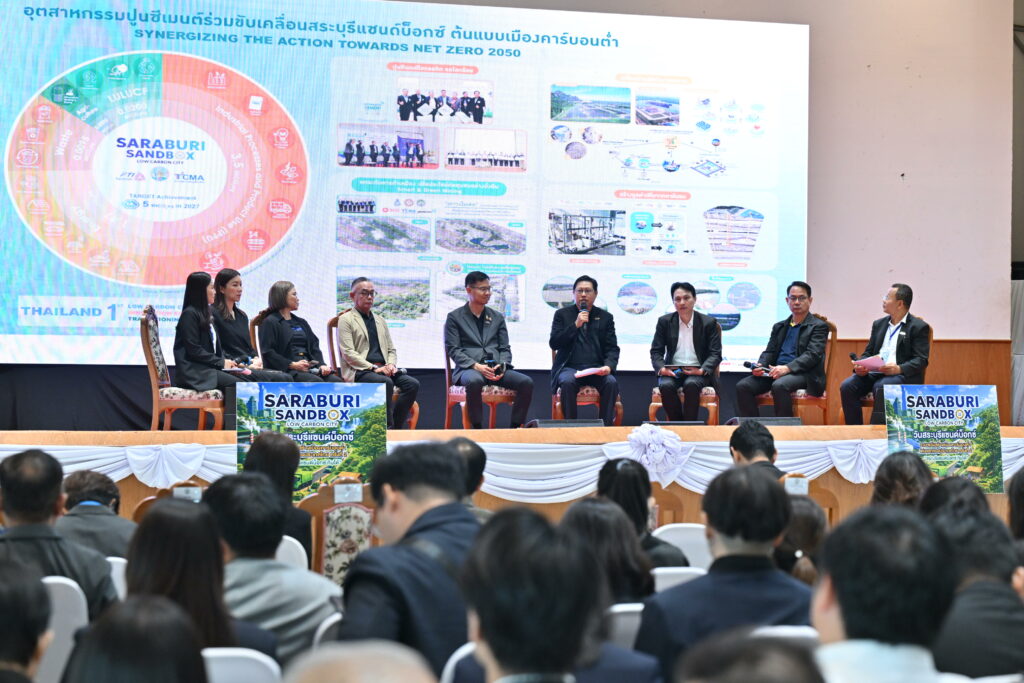
PPP: A Sustainable Driving Mechanism
Mr. Bancha Chaowarin, Governor of Saraburi Province emphasized that the success of the SARABURI SANDBOX stems from integrated and sustainable collaboration among all sectors, with a shared commitment to improving people’s quality of life under the principle that ‘no one in Saraburi is left behind.’
SARABURI SANDBOX reflects a new mindset and working approach for the province-one that opens space for government agencies, industries, and the public to jointly design and drive low-carbon urban development in the same direction, fostering balanced and sustainable growth.
The Governor Bancha stressed that achieving Net Zero at the local level must go hand in hand with improving citizens’ quality of life. Saraburi therefore focuses on linking environmental stewardship with income generation, job creation, and community development, ensuring that people see real benefits and actively participate in the transition.
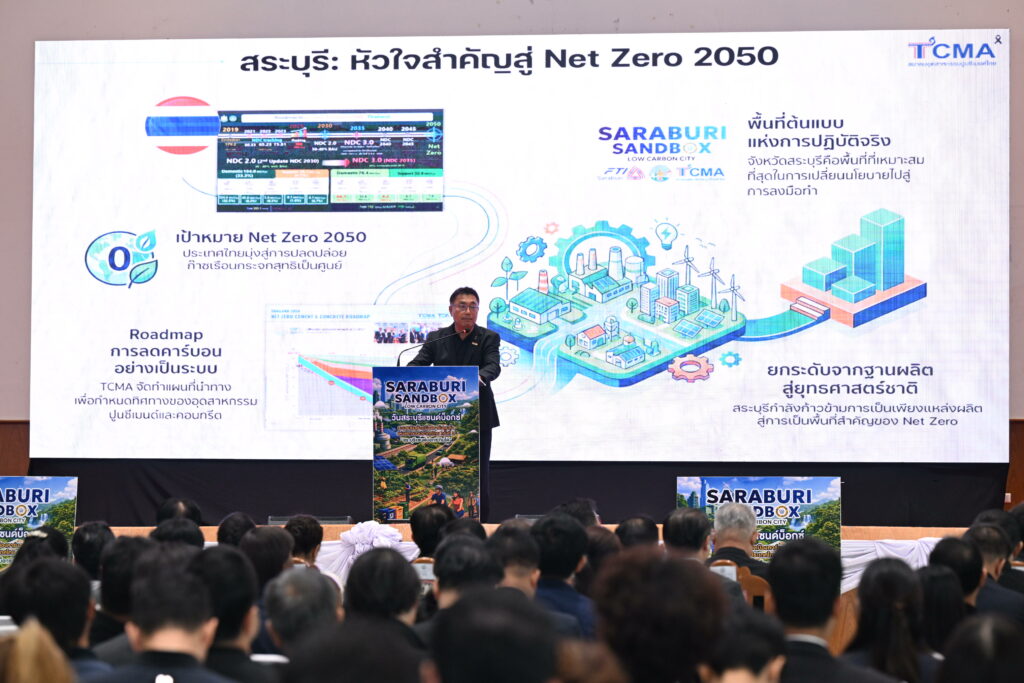
Looking ahead, Saraburi Province plans to elevate SARABURI SANDBOX from a pilot initiative into a core long-term area-based development mechanism. This will be achieved through building a comprehensive low carbon economic ecosystem-ranging from resource management and food and waste management to carbon credit development, ultimately positioning Saraburi as a Net Zero province that can be replicated nationwide.
“SARABURI SANDBOX: Edible” is a clear reflection of strategic collaboration between Saraburi Province, government agencies, industry, and civil society. By integrating area-based development with Net Zero policy and practical economic mechanisms, the initiative demonstrates that low-carbon urban development can go beyond environmental goals to create economic value, enhance quality of life, and strengthen national competitiveness.
This model is not only a local development prototype but also signals a new direction for Thailand, one in which Net Zero becomes an opportunity that is truly ‘edible’, scalable, and sustainable in the long term.